

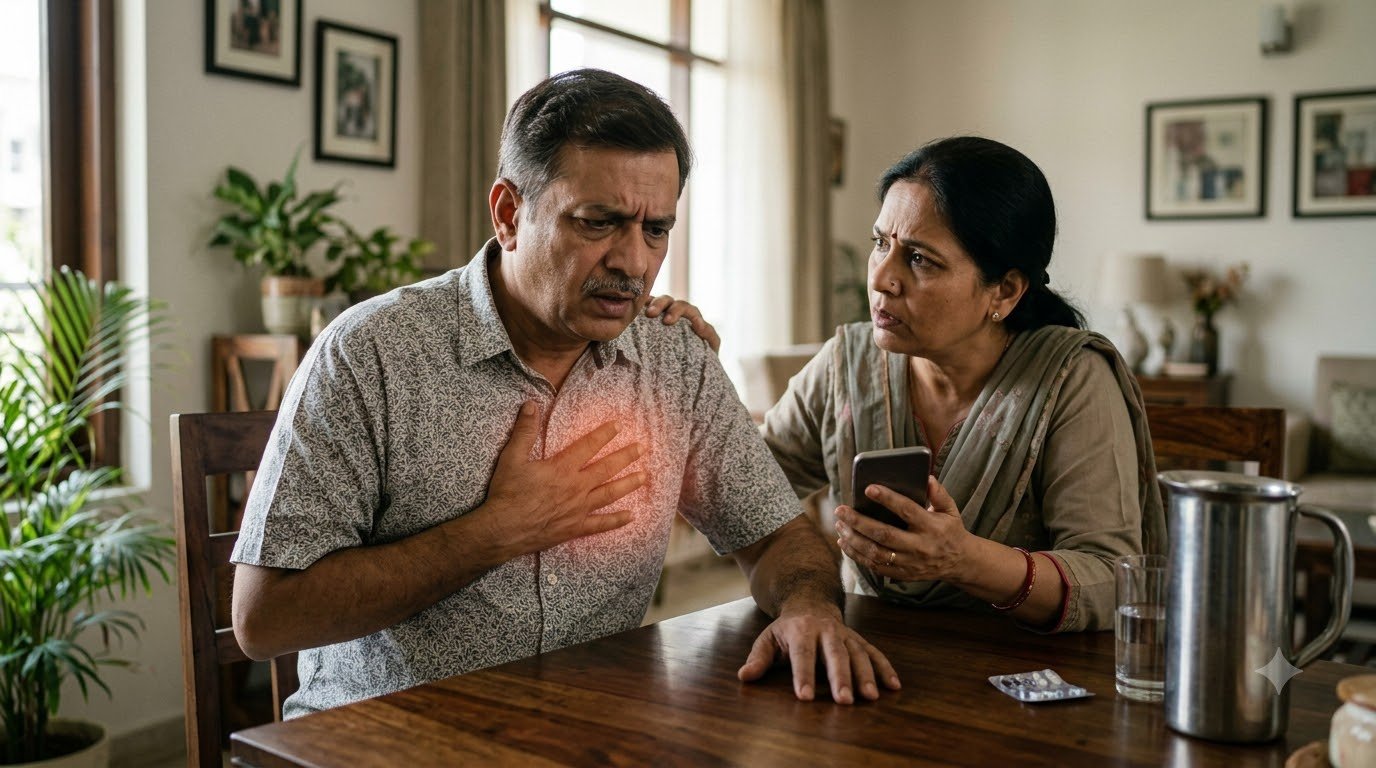
Heart disease often doesn’t strike without warning, the body frequently sends subtle signals long before a major cardiac event occurs. Recognising these signs early can make a significant difference, not just for your own health, but potentially for those around you as well.
Physical Warning Signs to Watch For
Unexplained fatigue is one of the most overlooked symptoms. If everyday tasks suddenly feel exhausting without a clear reason, it may indicate reduced blood flow from the heart.
Fainting or dizziness without an obvious cause such as dehydration or low blood sugar can sometimes point to irregular heart rhythms or dropping blood pressure.
Chest pain or discomfort is a well known red flag. This can present as tightness, burning, or a feeling of fullness in the chest, sometimes lasting several minutes. Pain that spreads to the arms, shoulders, neck, jaw, or back should never be ignored.
Shortness of breath, especially after minimal exertion, may suggest the heart isn’t pumping efficiently enough to meet the body’s oxygen demands.
ALSO READ: Polluted Air Is Damaging Your Hair And Skin, Here’s The Silent Attack
Less Obvious Symptoms
Several lesser known signs are equally important:
- Persistent cough, especially one producing pink or white tinged mucus, which can indicate fluid buildup in the lungs
- Cold sweats that occur without physical exertion
- Swelling in the legs or feet, often caused by fluid retention linked to heart strain
- Irregular heartbeat, particularly when it happens frequently rather than occasionally
- Nausea or loss of appetite, which are sometimes mistaken for digestive issues
- Frequent nighttime urination, which can be connected to how the heart and kidneys interact
Signs That Are Easy to Dismiss
Some symptoms seem unrelated to heart health but may still be worth monitoring:
- Gum inflammation or bleeding, linked to bacteria entering the bloodstream
- Reduced leg hair growth, associated with poor circulation
- Erectile dysfunction, which can result from restricted blood flow due to blocked arteries
- Sleep apnea or heavy snoring, both associated with increased cardiovascular risk
- Sudden confusion or memory issues, potentially linked to chemical imbalances in the blood
Why These Symptoms Matter
Many of these signs overlap with common, less serious conditions which is exactly why they often go unnoticed. However, when several symptoms appear together, or persist without explanation, it’s worth taking seriously rather than assuming they’ll pass on their own.
Supporting Heart Health Through Diet
Diet also plays a meaningful role in heart health. Foods like chickpeas are rich in potassium and fiber, and may help lower cholesterol levels. Coffee, often assumed to be harmful, has also been associated with a reduced risk of heart attack and stroke when consumed in moderation.
Final Thoughts
No single symptom guarantees a heart problem, but patterns matter. If you notice several of these signs occurring together or persisting over time, consulting a doctor promptly is the safest course of action early detection often makes all the difference.
This article is intended for general awareness. If you’re experiencing chest pain, severe shortness of breath, or other acute symptoms, seek emergency medical help immediately rather than waiting.
Read More Such Articles On Lifestyle Mantra: CLICK MORE