

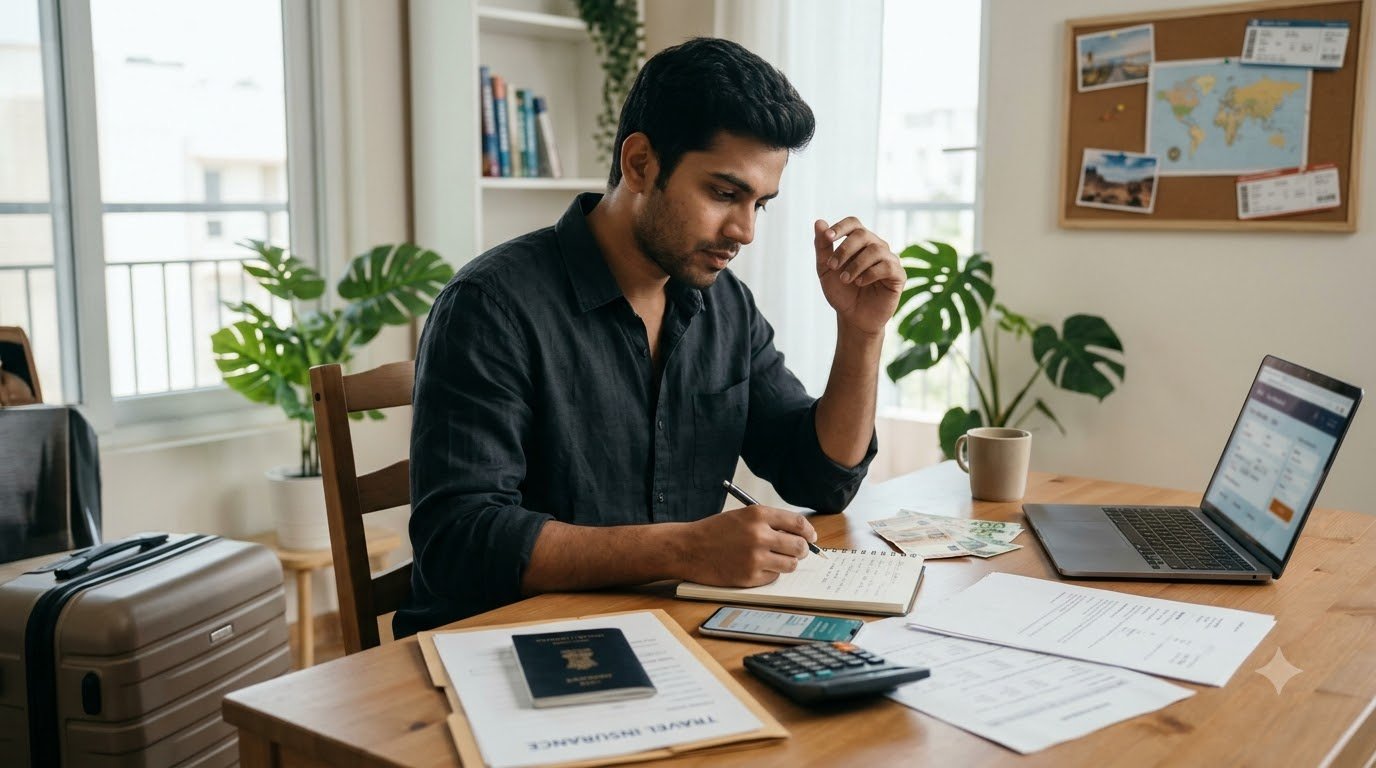
When people plan a trip abroad, most of their attention goes to flights and hotels. That makes sense, since those are the biggest expenses. But many smaller costs tend to slip through the cracks, and together they can stretch a budget far beyond what you expected. Knowing about them in advance makes the whole journey calmer.
Before You Leave Home
Entry rules are the first thing to check. Many countries require travellers to get a visa or an electronic travel authorisation before arrival, and fees range from minor to steep. Faster processing usually costs extra, so apply early.
Your passport matters too. Many destinations require at least six months of validity beyond your travel dates. If yours falls short, you’ll need room in the budget for renewal fees, which are higher if you need it in a hurry.
Travel insurance is another expense people skip, but it should not be optional. A good policy covers medical emergencies, cancellations, delays and lost bags. Prices depend on your age, destination, trip length and level of cover.
Some regions also call for vaccinations such as yellow fever, hepatitis or typhoid. Book a travel health appointment a few months ahead, since both the visit and the shots cost money. Finally, pick up a universal plug adapter, plus a voltage converter if your devices need one.
ALSO READ: Broke Doesn’t Mean Bored: Smart Hacks For Traveling The World On A Budget
Costs That Show Up During the Trip
Handling money abroad costs money. Banks charge foreign transaction fees, ATMs add their own charges, and exchange counters often offer poor rates. A fee free card or a prepaid travel card can cut these losses.
Many cities charge tourist or city taxes per person, per night, and these are often left out of the booking price. Restaurants in some places add service charges automatically, which may differ from the tipping habits you’re used to.
Getting around is easy to underestimate. Taxis, ride hailing apps, metro passes, fuel and rental car insurance add up quickly, so check typical local prices before you go.
Then there are spontaneous plans, like an extra museum, a last minute tour or a cooking class. Set aside a small daily amount for these, and a fixed sum for souvenirs so shopping doesn’t get out of hand.
ALSO READ: Rainy Season Calling? Travel With IndiGo To These 4 Amazing Destinations
Staying Connected and Covered
Roaming on your home plan can be very expensive. A local SIM, an international eSIM or a portable Wi-Fi device is usually much cheaper.
Lastly, keep an emergency buffer of about 10 to 15 percent of your total budget. Missed flights, lost luggage, illness or an unplanned extra night can happen to anyone.
The Bottom Line
A great trip depends on more than a great destination. Planning for these overlooked costs means fewer surprises and more freedom to enjoy every moment abroad.
Read More Such Articles On Lifestyle Mantra: CLICK MORE